
Reflections from Europe: A Listicle of Observations

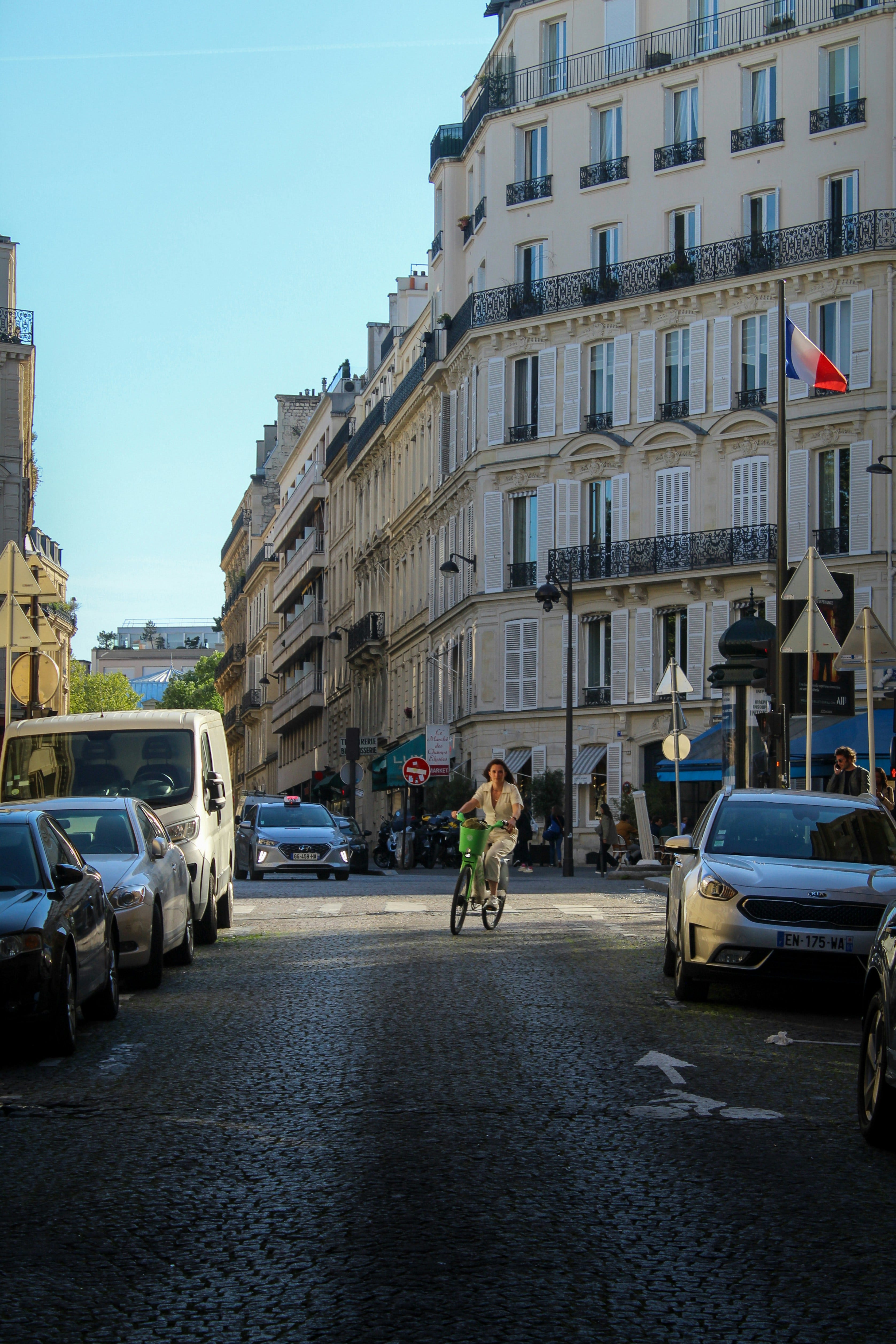
The cultural zeitgeist often insists that Europeans simply know how to chill better than Americans. While we’re consumed by capitalism and the endless pursuit of wealth creation, Europeans seem content to sip mid-day coffee with legs crossed, puffing a cigarette, and watching the world go by for a casual 120-minute break. Sure, those are brash stereotypes—but it’s summer, and nothing should be taken too seriously.
After spending the past week in Helsinki and Amsterdam, I jotted down some striking observations—more listicle than essay—comparing my daily American life to these two culturally effervescent hubs. In no particular order or rationale, here are a few thoughts:
European Airlines as Cultural Ambassadors - European national airlines truly reflect their countries. We flew Finnair first class, and it was incredible. The flight attendants weren’t just friendly—they were unmistakably Finnish. Everything onboard seemed curated to showcase Finland: Kyrö rye malt whiskey, open-faced sandwiches, and smoked cold fish. It felt like the airline was a wing of the Finnish tourism board. Then we flew KLM between Helsinki and Amsterdam. Out came Dutch cheeses and lemon cakes from Holland, proudly presented like national treasures. You just don’t see that kind of cultural pride on an American airline. If only JetBlue offered dollar-slice pizza on the way to JFK...
The Globalization of Copycat Culture - Copycat culture is alive and well in Finland. Everywhere you look, Wolt couriers zip by on scooters or e-bikes, delivering everything from Thai food to laundry detergent. It's DoorDash with a Finnish flair. This was a healthy reminder that while cultures vary, the business model of “I want something now” is universal.
Sauna as True Wellness - Sauna culture is particularly interesting and speaks to the true origins of “wellness.” Wellness isn’t a chic trend in Finland but rather a way of life. In America, wellness feels like an elite and snobby privilege. In Finland, it’s more of a routine maintenance. Considering the endless frigid winters in Scandanavia, the Finnish take to their Saunas out of necessity. Every home has one. Perhaps they respond to the ‘happiness surveys’ (Finland consistently ranked #1 happiest country on earth) after a good sweat sesh because nothing makes you feel more renewed than a Finnish sauna.
Stoicism vs. Sisu - Americans often search for stoicism. Europeans, particularly Finns, seem to live it. In Finland, there’s a cultural concept called sisu—a uniquely Finnish form of resilience and inner grit shaped by isolation and climate. It’s stoicism, but with a quiet edge.
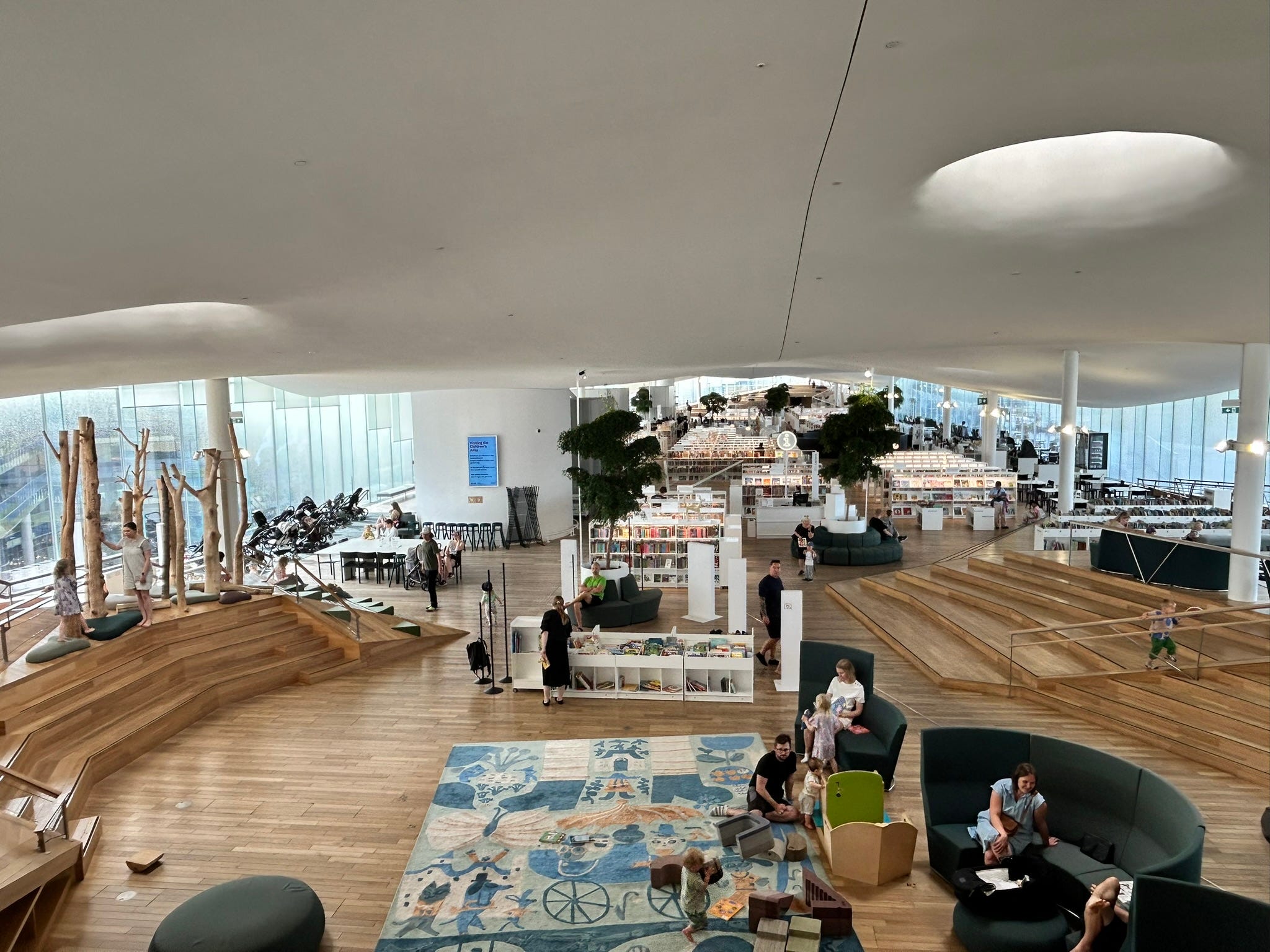
Family-First Public Design - European public spaces are clearly designed with families in mind. Whether it’s dedicated lines for families at airports or the intuitive layout of public transit, you feel accommodated—not burdensome. I noticed this while navigating the trams in Amsterdam or trying to tire out our 19-month-old son in the Helsinki airport. In American cities, traveling with a child often feels like you’re being scorned or pitied. In Europe, it feels normal—expected, even.

Functional Design for All Ages - Building on the point above: design in Europe seems to work for everyone. Case in point: Groot Melkhuis in Amsterdam’s Vondelpark. It effortlessly combines a high-quality playground for kids with a beer garden where parents can socialize. It’s thoughtful, practical, and inclusive—without sacrificing vibe.
Everyone Rides a Bike - In the U.S., biking is often limited to middle-aged men chasing weekend cardio, university professors, or attractive finance guys on Citi Bikes. In Northern Europe? Everybody bikes. Supposedly, Amsterdam has 1 million people and 1.5 million bikes. Old, young, male, female—biking is normal and universal. And no one makes a big deal about it.
Near-Zero Visible Obesity - This one comes with the caveat of “city bias,” but still: it was striking. In walkable cities like Amsterdam and Helsinki, people move more. And it shows. There seems to be a real correlation between active urban design and population health.
The Madness of Dutch Engineering - Amsterdam has 168 canals and 1,200 bridges—a marvel considering the land was built in the 1600s by driving wooden piles into marshy ground. I can understand doing that for a small patch of land. But for an entire city and beyond? That’s borderline madness. Today, it takes a year just to construct a single building. Imagine doing all that by hand, in clogs, 400 years ago.
Cheese: A Way of Life - Europeans have a deep respect for cheese as a standalone experience. I don’t know who invented the cheese board, but I’d bet heavily it was a European. In the U.S., cheese is often relegated to restaurants or “fancy” couple’s nights in. In Europe, it’s a snack, a meal, a cultural rite.
Final Thought
Traveling through Helsinki and Amsterdam gave me a renewed appreciation for how culture, design, and lifestyle choices shape our daily lives. While the U.S. excels in many ways, there’s a quiet genius in the European approach to simplicity, public life, and everyday joy.